---
title: LED Video Walls Have Changed. Here’s What That Actually Means.
description: Discover how modern LED video walls are transforming everyday spaces with improved tech, flexibility, and cost-effectiveness in our latest blog. Learn more at ImageNet Consulting.
image: https://blog.imagenetconsulting.com/hubfs/AV%20Social%20Images/FLO%20SCREEN%203%20(1).png
---
- [About Us](https://www.imagenetconsulting.com/about/)
- [In The News](https://news.imagenetconsulting.com/)
- [Careers](https://www.imagenetconsulting.com/about/careers/)
- [Support](https://content.imagenetconsulting.com/support)
[](https://blog.imagenetconsulting.com/led-video-walls-have-changed.-heres-what-that-actually-means#_)
- [Our Products](https://www.imagenetconsulting.com/products/)
- [Enterprise Content Services](https://www.imagenetconsulting.com/products/enterprise-content-services/)
- [Areas of Impact & Solutions](https://www.imagenetconsulting.com/products/enterprise-content-services/solutions-and-services/)
- [Our ECS Team](https://www.imagenetconsulting.com/products/enterprise-content-services/our-ecs-team/)
- [Copiers, Printers & Scanners](https://www.imagenetconsulting.com/products/copiers-printers-scanners/)
- [Managed Print](https://www.imagenetconsulting.com/products/copiers-printers-scanners/print-software/)
- [Personal Printers](https://www.imagenetconsulting.com/products/copiers-printers-scanners/personal-printers/)
- [Workteam Printers](https://www.imagenetconsulting.com/products/copiers-printers-scanners/workteam-printers/)
- [Workgroup Printers](https://www.imagenetconsulting.com/products/copiers-printers-scanners/workgroup-printers/)
- [Department Printers](https://www.imagenetconsulting.com/products/copiers-printers-scanners/department-printers/)
- [Audio Visual Solutions](https://www.imagenetconsulting.com/products/audio-visual-solutions/)
- [LED Video Walls](https://www.imagenetconsulting.com/products/audio-visual-solutions/led-video-walls/)
- [Digital Signage](https://www.imagenetconsulting.com/products/audio-visual-solutions/digital-signage/)
- [Acoustic Treatment](https://www.imagenetconsulting.com/products/audio-visual-solutions/acoustic-treatment/)
- [Microsoft Teams Rooms](https://www.imagenetconsulting.com/products/audio-visual-solutions/microsoft-teams-rooms/)
- [Partners](https://www.imagenetconsulting.com/products/audio-visual-solutions/partners/)
- [Industries](https://www.imagenetconsulting.com/products/audio-visual-solutions/industries/)
- [AV Projects](https://avprojects.imagenetconsulting.com/audio-visual-projects)
- [AV Service Request](https://content.imagenetconsulting.com/av-service)
- [AV Resources](https://blog.imagenetconsulting.com/audio-visual-resources)
- [Managed IT Services](https://www.imagenetconsulting.com/products/managed-it-services/)
- [Comprehensive Cybersecurity](https://www.imagenetconsulting.com/products/managed-it-services/cybersecurity/)
- [24/7 Phone, Chat and Onsite Support](https://www.imagenetconsulting.com/products/managed-it-services/managed-it-support/)
- [Backup & Disaster Recovery](https://www.imagenetconsulting.com/products/managed-it-services/data-backup-disaster-recovery/)
- [Virtual CISO](https://www.imagenetconsulting.com/products/managed-it-services/virtual-ciso/)
- [Health Monitoring & Proactive Maintenance](https://www.imagenetconsulting.com/products/managed-it-services/health-monitoring-proactive-maintenance/)
- [Third-Party Vendor Management](https://www.imagenetconsulting.com/products/managed-it-services/vendor-management/)
- [Microsoft 365+Azure](https://www.imagenetconsulting.com/products/managed-it-services/microsoft-365-azure/)
- [Hardware Standardization Procurement + Leasing](https://www.imagenetconsulting.com/products/managed-it-services/hardware-standardization-procurement-leasing/)
- [Strategic Technology Planning Sessions](https://www.imagenetconsulting.com/products/managed-it-services/strategic-technology-planning/)
- [Documentation](https://www.imagenetconsulting.com/products/managed-it-services/documentation/)
- [3D Printers, Materials & Accessories](https://www.imagenetconsulting.com/products/3d-printers/)
- [Shop](https://www.matterhackers.com/store/c/imagenet-consulting?aff=7677)
- [Wide Format Printing](https://www.imagenetconsulting.com/products/wide-format-printing/)
- [How We Help](https://www.imagenetconsulting.com/how-we-help/)
- [Education](https://www.imagenetconsulting.com/how-we-help/education/)
- [Financial Services](https://www.imagenetconsulting.com/how-we-help/financial-services/)
- [Government](https://www.imagenetconsulting.com/how-we-help/government/)
- [Healthcare](https://www.imagenetconsulting.com/how-we-help/healthcare/)
- [Manufacturing](https://www.imagenetconsulting.com/how-we-help/manufacturing/)
- [Nonprofits](https://www.imagenetconsulting.com/how-we-help/nonprofit/)
- [Resources](https://www.imagenetconsulting.com/resources/)
- [Blog](https://blog.imagenetconsulting.com/)
- [Calculators](https://www.imagenetconsulting.com/resources#calculators)
- [Case Studies](https://www.imagenetconsulting.com/resources#case-studies)
- [Guides](https://www.imagenetconsulting.com/resources#guides)
- [Videos](https://www.imagenetconsulting.com/resources#videos)
- [Webinars](https://content.imagenetconsulting.com/webinars/)
- [My Account](https://myaccount.imagenet.com/Account/Login)
- [Register](https://myaccount.imagenet.com/Account/Register?Length=7)
- [Recycle Toner Pick-up](https://www.imagenetconsulting.com/recycle/)
- [ITT Dealer Portal](https://ittportal.imagenet.com/Account/Login)
- [Contact Us](https://www.imagenetconsulting.com/contact/)
# [LED Video Walls Have Changed. Here’s What That Actually Means.](https://blog.imagenetconsulting.com/led-video-walls-have-changed.-heres-what-that-actually-means)
March 3, 2026 at 3:46 PM / by [Frankie Heath - AV Digital Marketing Specialist](https://blog.imagenetconsulting.com/author/frankie-heath-av-digital-marketing-specialist)
- [Tweet](https://twitter.com/share)
## For a long time, LED video walls lived in a very specific mental category.
They were for stadiums. Arenas. Massive corporate headquarters. Spaces with huge ceilings, huge crowds, and even bigger budgets.
For most organizations, LED wasn’t something you seriously considered. It was something you admired from a distance and then crossed off the list.
That mindset is starting to change.
Over the last several years, LED video wall technology has quietly matured in ways that make it far more practical than it used to be. At ImageNet Consulting, we’re having more and more conversations with clients who are surprised to learn that LED is no longer out of reach for everyday spaces.
This isn’t about hype or chasing the latest trend. It’s about understanding what’s actually changed, what hasn’t, and how to think about LED in a realistic way.
## Why LED Is Showing Up in More Everyday Spaces
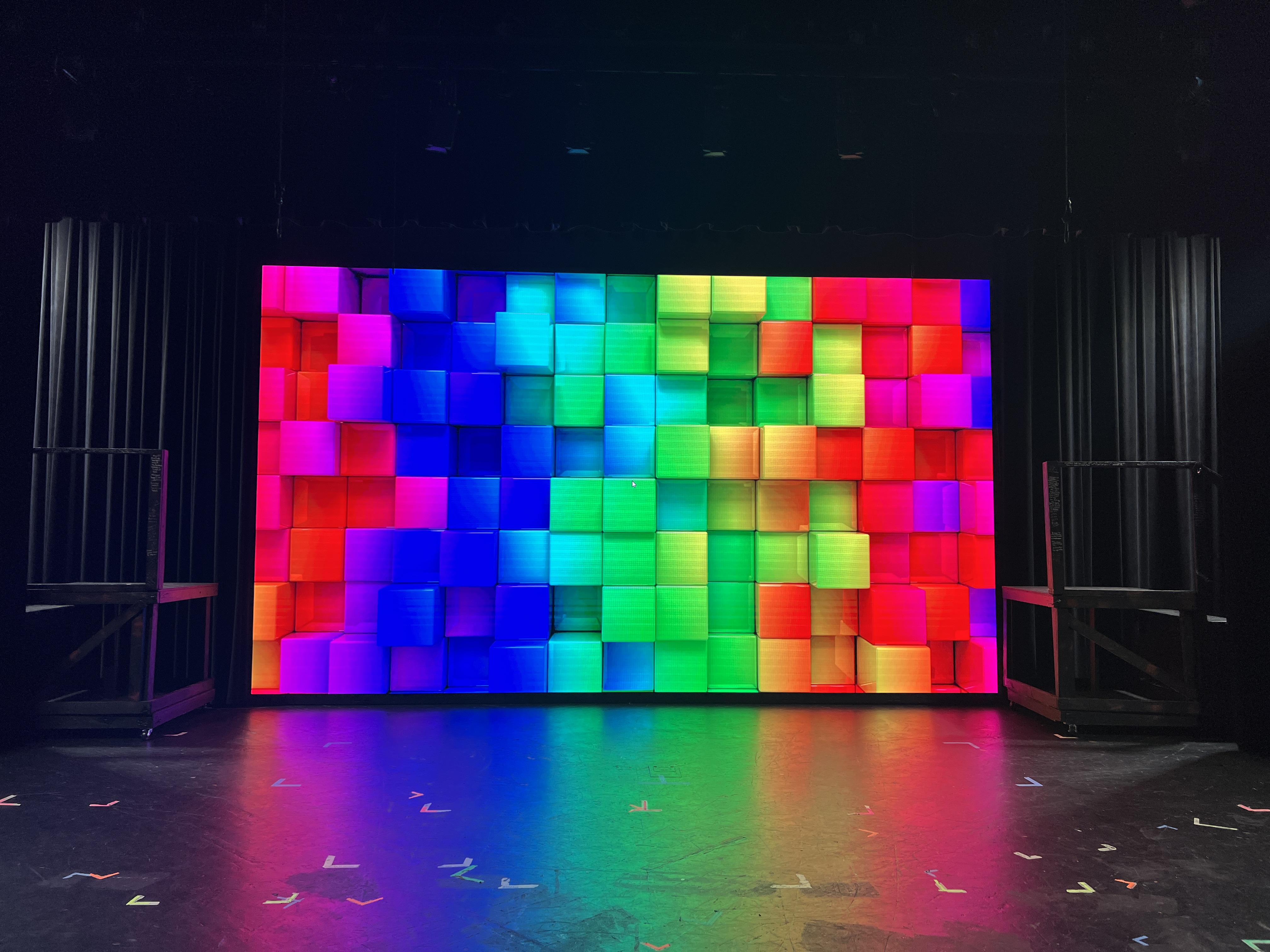
The biggest shift with LED video walls isn’t just better specs. It’s where they now make sense.
In the past, LED came with tradeoffs that were hard to justify. Resolution wasn’t great up close. Installations were complex. Maintenance felt intimidating. Cost usually stopped the conversation before it really started.
Today, a lot of those barriers are gone.
LED panels are thinner and lighter. Pixel pitch has improved enough that people can sit much closer without noticing individual pixels. Brightness and color control are far more refined, which matters a lot in indoor environments where comfort matters just as much as impact.
Because of that, LED video walls are now showing up in places like corporate offices, school auditoriums, healthcare lobbies, council chambers, and multipurpose community spaces.
These aren’t flashy installs just to look cool. They’re practical solutions being used to solve real problems.
A common thing we hear at ImageNet Consulting is, “I didn’t realize LED could do that now.” Most of the time, they’re right. The version of LED they remember just isn’t the same anymore.
## What Modern LED Technology Actually Looks Like
When people hear the phrase “LED video wall,” they often picture something overwhelming or hard to live with day to day.
Modern LED looks very different.
Today’s panels offer much tighter pixel pitch, which means higher resolution at closer viewing distances. That opens the door for spaces like meeting rooms and classrooms where people are seated 10 to 15 feet from the display.
Color accuracy has improved too. Modern LED delivers consistent color, strong contrast, and smoother gradients, making it comfortable to view for long periods of time. That matters more than people realize.
From a maintenance standpoint, systems are also far more manageable. Modular designs and front-serviceable panels make servicing less disruptive and more predictable over the life of the display.
At ImageNet Consulting, we spend a lot of time translating these technical improvements into plain language. Specs only matter if they actually make the space work better for the people using it.
## Let’s Talk Honestly About Cost
This is usually the first question, and it’s a fair one.
LED video walls are still an investment. That part hasn’t changed. What has changed is how that investment compares to other premium display options.
Better manufacturing and more competition in the market have created more flexibility in panel sizes, configurations, and pricing. Instead of LED being in a category all by itself, it’s now often evaluated alongside high-end projection systems or large-format display arrays.
When you zoom out and look at total cost of ownership, the conversation often shifts.
LED offers long lifespan, consistent brightness, and fewer consumables compared to projection. There are no lamps to replace and no gradual dimming tied to usage in the same way. Over time, those things add up.
At ImageNet Consulting, we don’t shy away from cost conversations. Sometimes LED makes sense. Sometimes it doesn’t. The goal isn’t to push a solution. It’s to help people understand their options clearly.
## How Organizations Are Actually Using LED Video Walls
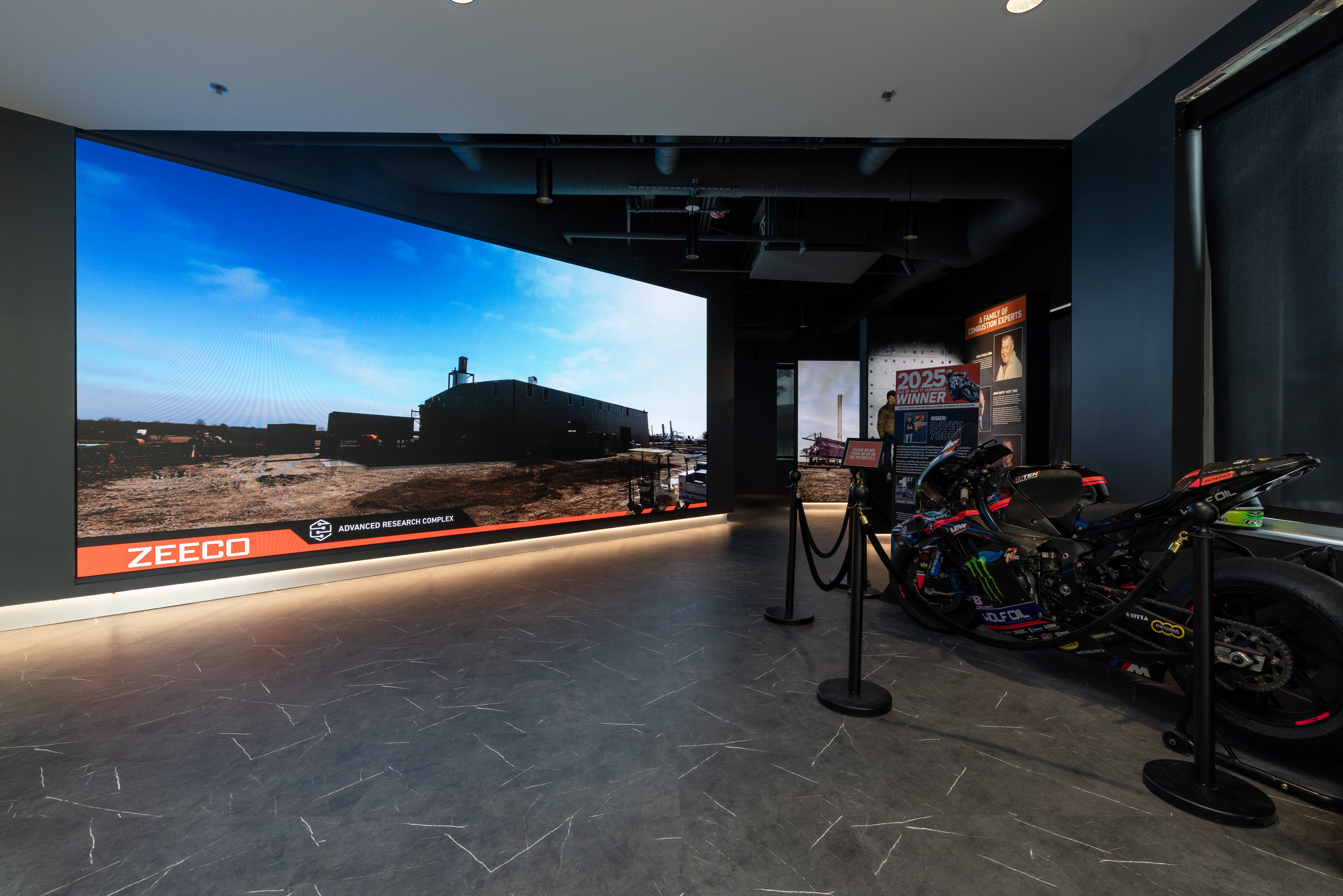
Another big change is how LED video walls are being used.
Instead of serving one purpose, many organizations are using LED as a flexible display platform. The same wall might handle presentations during the day, digital signage in the afternoon, and video content or events after hours.
That flexibility is especially valuable in multipurpose spaces.
We’re seeing LED used in boardrooms that host both executive meetings and company-wide town halls. In auditoriums that support assemblies, performances, and community events. In lobbies where messaging changes throughout the day.
The common thread is adaptability.
At ImageNet Consulting, we usually start with a simple question. What does this room need to do today, and what might it need to do a few years from now? When LED lines up with those needs, it becomes a long-term asset instead of a one-off upgrade.
## LED vs Projection vs Large Displays
One of the most common questions we get is whether LED video walls are better than projectors or large-format displays.
The honest answer is that it depends.
LED offers strong brightness, consistent performance, and flexibility in size. Projection can still be a great option in controlled lighting environments. Large displays work well for certain room sizes and budgets.
There isn’t a universal “best” option.
The key is matching the technology to how the space is actually used and what experience you’re trying to create.
That’s why ImageNet Consulting takes a consultative approach. We help organizations compare options based on real-world use, not just specs on a data sheet.
## When LED Makes Sense and When It Doesn’t
LED video walls are more attainable than ever, but they’re not the right answer for every space.
The most successful LED installations come from intentional design, thoughtful planning, and a clear understanding of how the room will be used. When those pieces come together, LED can be a powerful and long-lasting solution.
When they don’t, it can be an expensive mismatch.
At ImageNet Consulting, our focus is helping clients make informed decisions. Sometimes that leads to LED. Other times it leads to a different solution that fits the space better.
The biggest takeaway is simple. LED video walls are no longer a futuristic luxury. They’re a practical option worth evaluating. But like any technology, they work best when chosen for the right reasons.
Topics: [Audio Visual](https://blog.imagenetconsulting.com/topic/audio-visual)
#### Written by [Frankie Heath - AV Digital Marketing Specialist](https://blog.imagenetconsulting.com/author/frankie-heath-av-digital-marketing-specialist)
Frankie Heath is the AV Digital Marketing Specialist for ImageNet AV Division
[Linkedin](https://blog.imagenetconsulting.com/www.linkedin.com/in/frankie-heath-imagenet)
### Subscribe to Our Blog
[Our Products](https://www.imagenetconsulting.com/products/)
- [Enterprise Content Management](https://www.imagenetconsulting.com/products/enterprise-content-management/)
- [Copiers, Printers & Scanners](https://www.imagenetconsulting.com/products/copiers-printers-scanners/)
- [Audio Visual Solutions](https://www.imagenetconsulting.com/products/audio-visual-solutions/)
- [Managed IT Services](https://www.imagenetconsulting.com/products/managed-it-services/)
- [3D Printers, Solutions & Services](https://www.imagenetconsulting.com/products/3d-printers/)
- [Wide Format Printing](https://www.imagenetconsulting.com/products/wide-format-printing/)
[About Us](https://www.imagenetconsulting.com/about/)
- [Our History](https://www.imagenetconsulting.com/about/#history)
- [Locations](https://www.imagenetconsulting.com/contact/#map)
- [In The News](https://news.imagenetconsulting.com/)
- [Careers](https://www.imagenetconsulting.com/about/careers/)
- [Privacy Policy](https://www.imagenetconsulting.com/privacy-policy/)
[My Account](https://www.imagenetconsulting.com/ecomm)
- [Register](https://www.imagenetconsulting.com/Ecomm/Account/Register?Length=7)
- [Forgot Password?](https://www.imagenetconsulting.com/Ecomm/Account/ForgotPassword?Length=7)
[Contact Us](https://www.imagenetconsulting.com/contact/)
© ImageNet consulting
- [Twitter](https://twitter.com/bmi_imageNet)
- [Facebook](https://www.facebook.com/bmiimagenet)
- [LinkedIn](https://www.linkedin.com/company/2625954)